
The Post-Harvest Interface: Maximizing Processing Yields Through Upstream Data
Introduction
The profitability of a poultry enterprise is ultimately decided at the processing plant. While a farm manager focus heavily on keeping grow-out costs low, the true return on investment depends on meat yield—specifically the volume of high-value deboned breast meat, drumsticks, and wings produced for consumers.
Historically, a wide data gap existed between grow-out barns and processing facilities. Processing plants often operated with limited information about incoming flocks, receiving only basic counts and average weights. This lack of visibility made it difficult to optimize automated machinery, resulting in lower yields and increased product downgrades.
Today, this gap is closing. By connecting upstream farm data with downstream processing systems, integrators are building a unified loop that maximizes efficiency from farm to table.
[Traditional System: Isolated Farm Logs] ──► [Data Gap] ──► [Sub-Optimal Processing Yields]
VS.
[Connected System: Real-Time Barn Data ➔ Automated Plant Calibration ➔ Maximum Meat Yield]
The Cost of Visual Guesswork in Processing
Modern processing plants rely on high-speed automation to handle thousands of birds per hour. Shackle lines, scalding tanks, plucking machines, and deboning blades are configured to operate within specific tolerances.
If a processing plant receives a flock with poor weight uniformity without prior warning, the automated machinery cannot adapt. A deboning blade set for a 2.1 kg bird will cut inaccurately on a 1.8 kg or 2.4 kg frame, leading to costly meat left on the bone or bone fragments left in the product.
[Improper Blade Calibration] ──► Meat Left on Bone OR Bone Fragment Contamination ──► Profit Loss
Furthermore, if a flock experienced a subtle health issue or a catching delay within the previous 24 hours, the risk of intestinal tearing during automated evisceration spikes. This tearing causes bacterial contamination, requiring the system to halt production for cleaning and leading to costly product downgrades.
Bridging the Gap: Upstream Data Points That Matter
To optimize processing efficiency, specific datasets must move from grow-out facilities to the processing plant well ahead of the flock’s arrival:
1. In-Barn Machine Vision Weight Distribution Curves
Rather than relying on a single average weight estimate, overhead cameras track the exact weight distribution curve of the flock over their final week in the barn. This data allows plant managers to pre-program sorting lines, routing similar-sized birds to matching processing tracks to maximize automated cutting precision.
2. Live Feed and Water Withdrawal Timestamps
Birds must be taken off feed and water at an exact window before catching to ensure their digestive tracts are empty during processing. If the withdrawal window is too short, the risk of contamination rises; if it is too long, the birds lose body weight and their intestines weaken.
Logging automated feeder shutdowns directly into a shared cloud platform gives processing crews exact visibility into withdrawal timelines, allowing them to schedule processing tracks with high precision.
3. Real-Time Transport Environmental Logging
The journey from the farm to the processing plant can be stressful for live birds. Modern transport crates can be equipped with compact IoT data loggers that monitor temperature and air velocity during transit.
If a truck encounters a traffic delay that causes heat stress in a specific section of the trailer, the incoming data flags those birds immediately. This allows the plant to adjust processing speeds or divert those crates to prevent quality drops from stress-induced meat defects like Pale, Soft, Exudative (PSE) flesh.
[IoT-Monitored Transport Crates] ──► [Traffic Delay Heat Spike Detected] ──► [Divert/Adjust Line Speed] ──► [Prevent PSE Meat Defects]
Automated Yield Management inside the Processing Plant
Once the birds arrive at the processing facility, advanced data-driven systems take over to maximize product value:
In-Line X-Ray and Vision-Guided Trimming
As carcasses move along high-speed shackle lines, they pass through integrated vision stations equipped with high-resolution X-ray scanners.
The system evaluates the exact skeletal frame of each bird in milliseconds, directing automated blades to slice perfectly along the bone contours. This precise adjustment ensures maximum breast meat yield and clean cuts across varying bird sizes.
Automated Quality Sorting and Value Maximization
Advanced machine vision software evaluates every portion of meat for color consistency, surface blemishes, and skin tears.
Instead of relying on human inspectors to sort products manually, the system automatically grades and diverts portions to their highest-value market destination. Flawless pieces are directed to premium retail packaging, while portions with minor surface tears are routed to secondary processing for nuggets or sausages, ensuring no meat goes to waste.
Benefits of a Connected Post-Harvest Value Chain
Connecting farm and processing data creates a reliable feedback loop that helps the entire enterprise optimize performance:
Maximized Processing Efficiency: Pre-sorting birds based on accurate in-barn weight data allows cutting lines to operate at peak speed with minimal manual adjustments.
Reduced Product Contamination: Real-time visibility into feed withdrawal timelines minimizes evisceration errors, keeping food safety standards high.
Continuous Farm Optimization: Processing plant data loops back to the grow-out managers, showing them exactly how specific lighting or feeding profiles impacted final breast meat yields, allowing them to fine-tune future flocks.
Conclusion
Maximizing poultry profitability requires looking beyond the farm gate. By linking upstream grow-out data with downstream processing automation, integrators can eliminate the guesswork that often leads to processing waste. Embracing this connected approach allows agribusinesses to squeeze maximum value from every flock, ensuring consistent product quality and keeping the entire supply chain efficient and competitive.
The True Cost of Energy in Poultry Farming: Moving Toward Smart Conservation
IntroductionEnergy is one of the largest and most volatile operating expenses in commercial poultry production. Sizable broiler and layer facilities require substantial amounts of power to keep climate conditions optimal. High-velocity exhaust fans must run continuously through summer heat waves, and large heating systems are needed to protect young chicks during winter brooding periods.With global energy prices remaining unpredictable and carbon reduction mandates tightening across major agricultural regions, traditional climate management is becoming an economic burden. Running equipment on simple timers or single-stage thermostats leads to temperature swings and wastes electricity. To stay competitive, forward-thinking operations are shifting to Smart Energy Conservation. By combining variable-frequency hardware, smart thermodynamic software, and on-farm renewable networks, producers are lowering their utility bills while improving climate stability inside the barn.Evaluating Waste: Where Do Farms Lose Energy?To reduce energy costs, we must first look at where conventional barns waste electricity and fuel. Field energy audits reveal three main culprits: ┌──────────────────────────┐
│ Structural Energy Losses │
└─────────────┬────────────┘
│
┌───────────────────────────────┼───────────────────────────────┐
▼ ▼ ▼
[Static Pressure Imbalances] [Single-Stage Equipment] [Delayed Thermal Management]
– Air leaks waste fan power – Over-heating & over-cooling – Systems react too late
– Chills floor environments – Causes high electricity spikes- Wastes expensive fuel
1. Inefficient Static Pressure InletsWhen a barn’s walls have structural air leaks or its automated inlets are poorly calibrated, fans have to work twice as hard to pull fresh air into the room. This drop in static pressure wastes fan power and creates uneven pockets of stagnant air inside the shed.2. Overshooting via Single-Stage EquipmentConventional heaters and fans operate on a simple all-or-nothing basis. When a shed cools down, the heaters blast at 100% capacity until the thermostat is satisfied, frequently overshooting the target temperature. The ventilation system then turns on to exhaust the excess heat, resulting in a costly cycle of wasted fuel and electricity.3. Delayed, Reactive Climate AdjustmentsStandard controllers only react after an environmental change has occurred. If a sudden rainstorm drops the outside temperature by 10 degrees, a conventional system waits until the inside sensors register a chill before closing inlets and turning on heaters. This delayed reaction forces the heating system to consume excess fuel to recover, rather than making small, gradual adjustments ahead of time.The Tech Stack for Smart Energy ConservationModern smart barns eliminate these inefficiencies by using an integrated group of hardware and software solutions designed to optimize power use:Variable Frequency Drives (VFDs) and EC Fan TechnologyInstead of turning standard fans fully on or off, smart ventilation systems use Variable Frequency Drives or Electronically Commutated (EC) motors. These tools allow fan speeds to adjust smoothly from 1% to 100% based on live conditions.Because of the laws of fan mechanics, dropping a fan’s speed by just 20% can slice its electrical power draw by nearly 50%. This precise scaling keeps air flowing smoothly while lowering utility costs. ┌───────────────────────────────────┐
│ Fan Speed vs. Power Consumed │
└───────────────────────────────────┘
[100% Fan Speed] ────────────────────────────────────────► 100% Power Draw
[80% Fan Speed] ──────────────────► 50% Power Saved! (50% Power Draw)
Smart Predictive ThermostatsModern controllers do more than just read internal sensors; they connect directly to local weather forecasts via the cloud.If the software sees that a cold front is arriving in three hours, it makes small, early adjustments to ventilation rates and air inlets, using the existing warmth of the flock to stabilize the room. This proactive management prevents sudden temperature drops and reduces the need for heavy supplemental heating.Automated Heat Exchanger SystemsTo bring fresh air into a barn during cold weather without freezing the flock, smart facilities deploy air-to-air heat exchangers. These units extract warmth from the stale exhaust air leaving the barn and use it to pre-heat incoming fresh air.This process recovers valuable thermal energy that would otherwise be wasted, lowering seasonal heating fuel costs by up to 35% to 45%.Financial and Environmental Returns: The Smart Energy DashboardImplementing enterprise-grade energy conservation tools requires an upfront capital investment. However, performance data from farms utilizing these systems highlights a fast, predictable return on investment (ROI):Energy Conservation TechnologyAverage Initial Capital CostMeasured Reduction in Utility UseEstimated Payback HorizonVariable Frequency Fan DrivesModerate25% to 35% reduction in electricity14 – 18 MonthsAir-to-Air Heat ExchangersHigh35% to 45% reduction in heating fuel24 – 36 MonthsPredictive Thermodynamic SoftwareLow (Software License)8% to 12% optimization across systems3 – 6 MonthsIntegrating On-Farm Renewables: The Next FrontierThe ultimate goal of smart energy management is achieving net-zero energy independence. As solar panels and battery storage solutions become more affordable, producers are installing solar arrays directly on the expansive roofs of their poultry barns.[Roof-Mounted Solar Arrays] ──► [Battery Storage + VFD Fan Systems] ──► Off-Grid Summer Resilience
By pairing roof-mounted solar setups with smart VFD ventilation systems, farms can align their peak power generation directly with their highest energy demand period—hot summer afternoons when tunnel ventilation fans are running at full capacity. This clean power match insulates the farm from grid outages and locks in predictable energy costs for years to come.ConclusionEnergy conservation is no longer just an environmental goal; it is a vital strategy for financial survival in modern agribusiness. By upgrading to variable-speed equipment, deploying predictive controllers, and utilizing heat recovery systems, poultry producers can insulate their operations from volatile energy markets. Investing in energy efficiency reduces waste, protects thin operating margins, and builds a sustainable model for long-term production.
The Truth About Antibiotic-Free (ABF) Production: What the Data Tells Us
IntroductionThe global movement toward Antibiotic-Free (ABF) and Raised Without Antibiotics (RWA) poultry production is no longer just a niche trend. Driven by shifting consumer preferences and strict regulatory crackdowns on antimicrobial resistance (AMR), major integrators worldwide are transitioning entire supply chains to ABF systems. However, making the switch to ABF production involves more than just removing medications from feed lines. For commercial producers, dropping antibiotics without making structural upgrades to farm management can lead to unexpected challenges, including drops in feed conversion efficiency, higher mortality rates, and increased vulnerability to enteric diseases like Necrotic Enteritis.[Consumer & Regulatory Pressure] ──► [Removal of Antibiotics] ──► [Risk of Enteric Disease & Higher FCR]
│
(The Tech Solution Required)
│
▼
[Precision IoT + Advanced Feed Science]
To make ABF systems work long-term, producers must leverage real-time field data and advanced agritech. This article looks at what commercial datasets reveal about the hidden costs of transitioning to ABF production, and explains how precision tools help bridge the performance gap to keep antibiotic-free systems efficient and profitable.The Biological Performance Gap: Quantifying the ABF TransitionWhen antibiotics are removed from a production system, the bird’s intestinal tract bears the brunt of the change. Low doses of antibiotics historically served as growth promoters by keeping gut inflammation low and suppressing sub-clinical populations of harmful bacteria like Clostridium perfringens.Without these additives, the bird’s immune system has to work harder, redirecting valuable energy from muscle development to gut health maintenance. Large-scale production datasets reveal clear trends during this transition:Production ParameterConventional Production SystemStandard ABF Transition (Without Tech)Tech-Optimized ABF SystemFeed Conversion Ratio (FCR)Baseline (e.g., 1.52)+0.03 to +0.05 increaseReturned to baseline or lowerAverage Flock Mortality3.5% – 4.5%Can spike up to 7.0% – 9.0%Maintained at 4.0% or lowerFlock Weight UniformityHigh (85%+ uniformity)Significant drop due to uneven gut healthRestored via automated feed trackingCoccidiosis IncidenceWell-controlled via ionophoresSevere spikes in clinical outbreaksManaged via IoT litter trackingTo close this performance gap, producers cannot simply rely on traditional management methods. They need to implement a data-driven strategy that combines advanced feed engineering with precise environmental controls.Pillar 1: Water Quality as a Biological ShieldIn an antibiotic-free environment, the flock’s drinking water can either be a vital biological shield or a major source of contamination. Without antibiotics to clear out low-level infections, any pathogens in the water lines can quickly spark a widespread gut issue across the barn.[Unmonitored Water Lines] ──► [Biofilm & Pathogen Build-up] ──► [Intestinal Inflammation] ──► [FCR Drop]
▲
[Continuous ORP Sensing] ──► [Targeted Organic Acidification] ──► [Optimal Gut Microbiome] ──────┘
Data-driven ABF systems use automated, continuous water quality monitors. These sensors track pH, temperature, and Oxidation-Reduction Potential (ORP) in real time to ensure sanitizers remain effective. If the ORP falls below 650 millivolts (mV), it indicates that the sanitizer level is too low to prevent biofilm formation, triggering an immediate flush sequence. Additionally, precision dosing systems inject organic acid blends dynamically based on water intake patterns, keeping the bird’s crop pH optimal to inhibit harmful bacterial growth.Pillar 2: Micro-Climate Management to Prevent Intestinal StressThere is a direct connection between barn climate and enteric health. When birds experience heat stress or breathe in high levels of ammonia, their bodies release corticosterone, a stress hormone that weakens the tight junctions of their intestinal walls. This condition, known as “leaky gut,” allows pathogens to enter the bloodstream and can trigger outbreaks of Necrotic Enteritis.To protect gut integrity, ABF production relies on high-precision climate control.[Heat/Ammonia Stress] ➔ [Corticosterone Release] ➔ [Leaky Gut] ➔ [Pathogen Invasion] ➔ [Flock Loss]
Automated ventilation networks use predictive algorithms to step up fan speeds before heat stress conditions peak, keeping the house stable. Additionally, real-time ammonia sensors help ensure levels stay safely below 15 ppm, preventing respiratory stress from compounding gut health issues.Pillar 3: AI-Driven Feed Formulation and Gut PhytogenicsTo replace antibiotic growth promoters, nutritionists use complex blends of probiotics, prebiotics, enzymes, and plant-derived phytogenics (like essential oils from thyme, oregano, and garlic). These natural compounds help suppress harmful bacteria and support healthy gut structures.However, these alternative ingredients are expensive and their efficacy can vary based on the quality of raw crop inputs. Forward-thinking integrators use Near-Infrared Spectroscopy (NIR) scanners at the feed mill to analyze incoming grain ingredients in real time.AI-driven formulation engines process this nutritional data alongside live weight-gain trends from the field, allowing mills to adjust feed recipes on the fly. This precision ensures that ABF flocks receive exact nutrient levels, maximizing growth while minimizing undigested protein that would otherwise feed harmful gut bacteria.ConclusionTransitioning to antibiotic-free poultry production is a complex biological puzzle. Slicing out medications without upgrading farm infrastructure often leads to high mortality rates and costly efficiency drops.However, as field data shows, combining continuous water monitoring, proactive climate control, and precision feed analytics allows producers to close the performance gap. Embracing these advanced technologies makes it entirely possible to run an efficient, highly profitable ABF operation that meets modern market demands
Multimodal AI: Fusing Sound, Vision, and Environment for Flawless Farm Intelligence
IntroductionFor years, precision livestock farming (PLF) operated on a single-variable framework. Farms deployed temperature sensors to control fans, installed digital scales to estimate weights, or used isolated audio tools to listen for coughs. While these single-point solutions provided a massive upgrade over completely manual farming, they possessed an inherent flaw: they lacked context. A sudden drop in water consumption could indicate a disease outbreak, a water line blockage, or simply a change in lighting schedules.As we progress through 2026, the industry is undergoing an inflection point, moving away from isolated sensors toward Multimodal AI Systems. By fusing data streams from acoustics, computer vision, and environmental sensors into a single, unified neural network, these systems evaluate the poultry shed as an interconnected ecosystem. This article breaks down the mechanics of multimodal data fusion and explores how combining sensory inputs eliminates false alarms, delivers deep operational insights, and transforms farm management from reactive tracking to proactive precision. The Problem with Single-Sensor SilosIn a high-density broiler or layer facility, biological stress rarely presents itself through a single metric. Consider a hot, humid afternoon in a tropical or sub-tropical housing environment. If an automated climate controller looks only at the temperature sensor, it might see a reading of 28°C and determine that conditions are within acceptable parameters.However, if that data is isolated from relative humidity and air velocity readings, the system misses the fact that the birds are experiencing severe heat stress due to a high thermal index.[Single Sensor Failure: Temperature Reads 28°C ➔ System assumes OK]
VS.
[Multimodal AI Success: Temp + Humidity + Bird Huddling (Vision) ➔ Triggers Emergency Cooling]
Similarly, an acoustic monitor might pick up an increase in bird vocalization frequencies. Without visual confirmation, the software cannot differentiate between a harmless reaction to a routine lighting transition and a dangerous crowding event near a far wall. Single-sensor monitoring naturally produces a higher rate of false alarms, which can cause farm managers to experience alert fatigue and ignore critical notifications. The Architecture of Multimodal Data FusionMultimodal AI platforms overcome these limitations by mimicking human sensory integration. When a farm manager walks into a barn, they use their eyes, ears, and skin simultaneously to judge flock comfort. Multimodal architecture replicates this cognitive processing through three distinct layers:1. The Early-Stage Data Acquisition LayerA diverse array of hardware components continuously feeds raw data into an on-site edge computer:Visual Inputs: Overhead 2D/3D camera feeds capture real-time bird distribution, movement velocities, and behavioral patterns. Acoustic Inputs: Multi-directional microphones track flock vocalization types, frequency shifts, and distress sounds.Environmental Inputs: Real-time sensor grids map localized temperature, relative humidity, $CO_2$, $NH_3$, and static pressure. 2. The Data Fusion and Feature Extraction LayerThis is where the true computational work happens. Instead of analyzing each dataset sequentially, deep learning architectures use cross-attention mechanisms to evaluate the variables together.For instance, an acoustic feature (such as an increased chirp rate) is mapped directly against a visual feature (such as birds huddling closer together) and an environmental feature (such as a 1.5 ppm jump in ammonia levels).3. The Predictive Output LayerThe unified dataset is processed by neural networks trained on thousands of completed flock cycles. The output is a single, highly accurate welfare or health index score accompanied by clear, contextual recommendations. [Camera Vision: Huddling] ──┐
▼
[Acoustic Audio: Chirping] ──┼─► [Cross-Attention Fusion Engine] ──► [98% Certainty: Draft Alert]
▲
[Sensors: Temp Drop] ───────┘
Real-World Insights: Fusing Vision and Sound to Prevent CatastrophesTo understand the practical value of multimodal systems, let’s look at how they handle two critical scenarios on commercial farms:Scenario A: Detecting Structural Air Leaks (Drafts)During cold weather, a small structural crack or a warped seal on a side inlet can let a thin jet of freezing air blast directly down onto a section of the floor.The Isolated Response: Standard wall-mounted temperature sensors miss the issue entirely because the localized draft doesn’t alter the ambient temperature of the whole room.The Multimodal Response: The system’s overhead cameras notice a group of birds actively clearing out of the draft zone and huddling together tightly nearby. Concurrently, nearby microphones record a localized rise in distress chirping. The fusion engine combines the visual movement away from the zone with the acoustic distress signals, automatically identifying the issue as a draft and pinpointing the exact coordinates of the structural leak for the maintenance team.Scenario B: The Biological Early Warning System for DiseaseWhen a pathogen like Newcastle Disease or Infectious Bronchitis enters a shed, early intervention is critical to minimizing mortalities. The Isolated Response: Water meters won’t show a drop in intake until the birds are already lethargic, and visual inspections may miss the early signs of illness across a crowded floor. The Multimodal Response: The AI system detects subtle, wet raspy sounds (rales) via acoustic sensors. Instead of treating this as an isolated noise event, the system checks the camera feeds and notes a 4% drop in overall flock movement velocity alongside a slight elevation in $CO_2$ levels from altered breathing patterns. Fusing these three subtle changes together, the AI generates a high-priority biological health alert, allowing veterinary teams to intervene up to 48 hours before visible physical symptoms appear.Strategic Advantages for Agribusiness IntegratorsFor large-scale agricultural operations, deploying multimodal AI platforms delivers measurable business value:Elimination of False Alarms: By requiring verification across multiple data types before issuing critical alerts, these platforms drastically reduce false positives, ensuring that farm crews respond quickly to genuine emergencies. Improved System Longevity: Environmental data helps contextualize camera and audio performance, allowing the software to automatically adjust its baseline algorithms when dust levels change or fans create extra background noise.Unified Data Dashboards: Rather than juggling separate applications for ventilation, feeding, and security, integration managers can oversee their entire production footprint through a single interface.ConclusionThe shift toward multimodal AI marks a turning point in precision poultry farming. By breaking down data silos and analyzing how sound, vision, and environment interact, these systems provide a complete, clear picture of flock welfare. Adopting these integrated platforms allows producers to trade reactive firefighting for precise, predictive management, protecting both animal health and operational profitability.
Biosecurity, Traceability, and Sustainability: The Triple Frontier of Poultry Tech
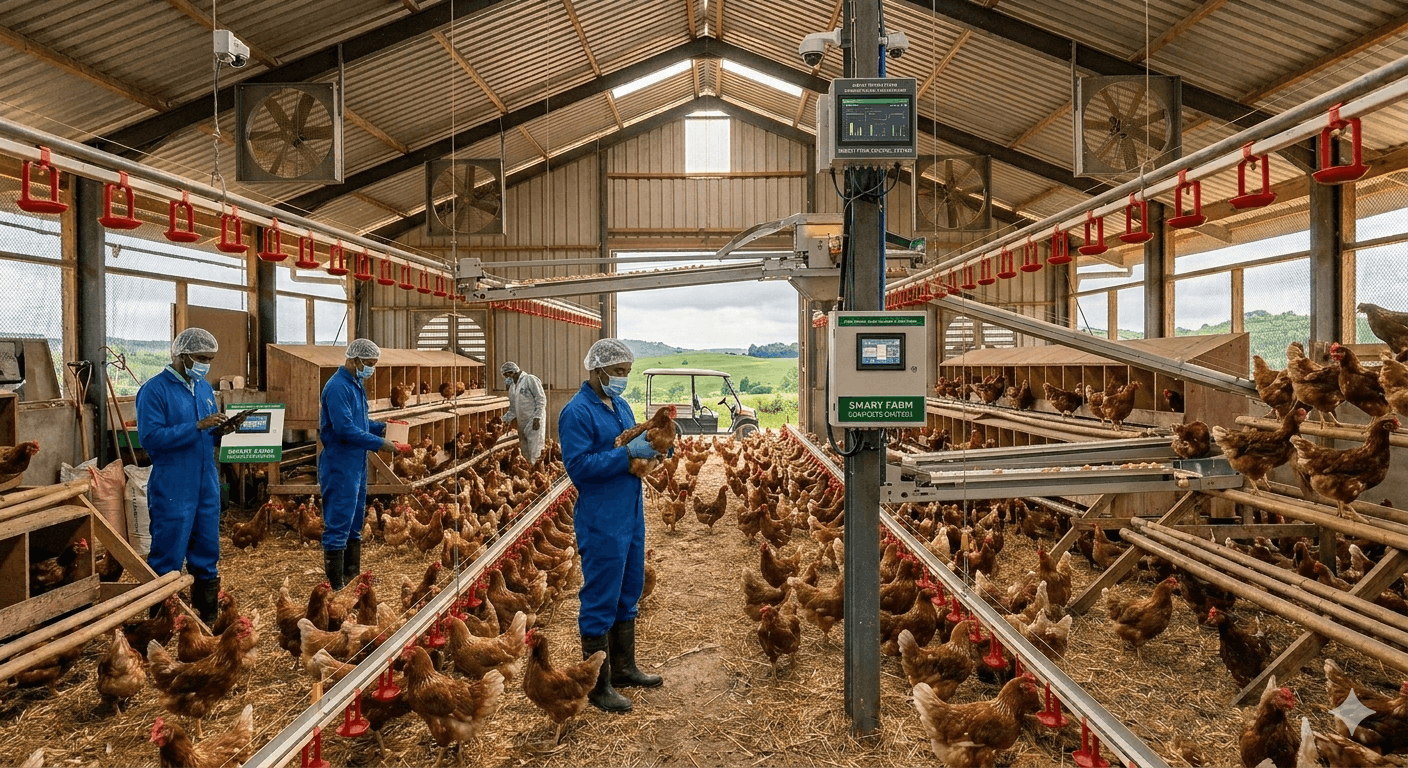
IntroductionThe modern poultry industry operates under close public and regulatory scrutiny. Consumers are no longer focused solely on product cost and availability; they want to know how their food was produced, what impact it had on the environment, and whether the animals were raised safely and humanely. At the same time, producers face constant biological risks from global diseases like Highly Pathogenic Avian Influenza (HPAI). To navigate these market demands, the poultry value chain is investing heavily in a connected trio of technologies: Biosecurity, Traceability, and Sustainability. By combining digital tracking systems, secure ledgers, and resource conservation tools, the industry is building a transparent, resilient supply chain. This article explores how these modern technologies work together to protect flock health, verify production practices, and reduce environmental impact. 1. Advanced Biosecurity: Building a Digital FirewallBiosecurity is a farm’s first line of defense against disease. Traditional biosecurity protocols often rely on manual sign-in sheets and visual clean-in/clean-out compliance, which can leave room for human error. Modern tech upgrades replace these manual logs with automated tracking systems.Digital Geofencing and Access ControlSmart production facilities protect their perimeters using digital geofencing. Personnel and farm vehicles carry secure RFID tags or mobile apps that sync with gate sensors.If a vehicle tries to enter a high-risk zone—such as moving directly from a grow-out site back to a breeder barn—without completing a required sanitation hold, the system locks access gates automatically and alerts management. This digital oversight helps enforce biosecurity protocols continuously.[Vehicle Approaching Breeder Barn]
│
(RFID Scanner Checks)
│
┌───────┴───────┐
▼ ▼
[Sanitized ➔ Open Gate] [No Sanitation Record ➔ Lock Gate + Alert Manager]
Microbiome Monitoring and Biosurveillance AnalyticsRather than waiting for physical symptoms of disease to appear, advanced operations deploy tools that monitor environmental DNA (eDNA). By regularly sampling the air, dust, and water lines within a barn, labs use rapid PCR systems and genetic sequencing to track the farm’s overall microbiome. This continuous testing can detect low levels of viral or bacterial pathogens days before an outbreak occurs, giving producers an early window to implement quarantine measures and protect neighboring sheds.2. Supply Chain Traceability: Verifying the Journey via BlockchainWhen a food safety issue arises, locating the source quickly is vital to protecting public health and minimizing product recalls. Blockchain technology provides an ideal framework for this transparency by creating an unchangeable digital record of a product’s journey through the supply chain.[Hatchery: Lineage & Vaccination Logs]
│
▼
[Grow-Out Farm: Environmental & Feed Inputs]
│
▼
[Processing Plant: Packaging & Logistics Data]
│
▼
[QR Code on Packaging: Scan for Verified Product History]
Creating a Single Source of TruthEvery stage of a bird’s life can be documented within a secure digital ledger. In the hatchery, a flock’s genetic lineage and vaccination records are logged on the chain. During grow-out, daily climate logs, feed blends, and veterinary histories are automatically uploaded via connected IoT hubs.At the processing plant, packaging data and quality checks are added to the record. Because entries on a blockchain are secure and unchangeable, this data provides an audit trail that cannot be altered or falsified.Boosting Consumer ConfidenceAt the retail level, this digital trail can be condensed into a simple QR code on the product packaging. Consumers scan the code with their smartphones to view the verified history of their purchase—including the farm location, welfare certifications, and exact processing dates. This transparency helps brands build trust and command premium pricing for verified organic, cage-free, or sustainably raised products.3. Circular Sustainability: Reducing Environmental FootprintsSustaining global poultry production requires careful management of natural resources. Modern agritech helps producers optimize their resource use and turn farm byproducts into valuable inputs. Alternative Feed Innovations and Resource SavingsWith volatile grain prices and land constraints, the feed sector is adopting sustainable alternatives like insect-based proteins (such as Black Soldier Fly larvae) and single-cell algae.AI-driven nutrition software evaluates these alternative ingredients in real time, balancing amino acid profiles to ensure optimal bird growth while reducing the industry’s reliance on traditional soy and corn crops. Turning Waste into Energy with On-Farm Biogas SystemsManure management is a key environmental priority for poultry operations. Smart farms integrate automated belt-clearing systems that route litter directly into on-site anaerobic digesters. Inside these sealed systems, bacteria break down the organic waste, producing methane gas that is captured and refined to fuel farm generators or boilers. The remaining byproduct is a nutrient-rich, stable fertilizer that can be returned to local crop fields, creating a sustainable, circular lifecycle on the farm.The Intersection: A Unified Strategy for the FutureBiosecurity, traceability, and sustainability are not isolated goals; they are deeply connected parts of a successful operation.Core Technology PillarPrimary Hardware/Software SystemsImmediate Operational ValueLong-Term Strategic ImpactDigital BiosecurityGeofencing, RFID tracking, eDNA testingEarly pathogen detection and containmentProtected flock health and asset securityEnd-to-End TraceabilityBlockchain ledgers, automated QR generationInstant recall pinpointing and quality verificationEnhanced brand trust and consumer loyaltyCircular SustainabilityAnaerobic digesters, AI feed optimization softwareReduced waste removal costs and energy generationLower environmental footprint and true circularity
Automation and Robotics in Hatchery and Barn Operations
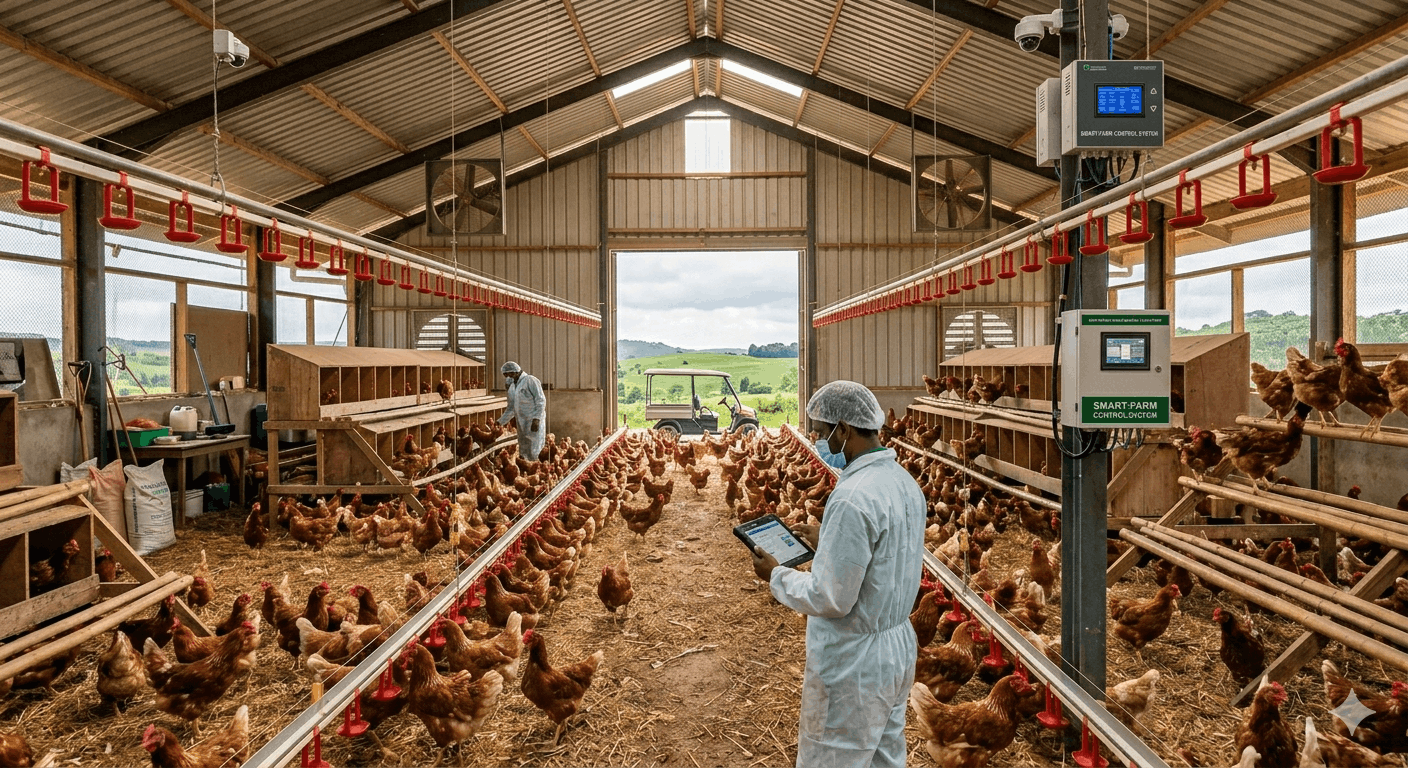
IntroductionThe global poultry industry faces a challenging labor market. Farms encounter rising labor costs, high employee turnover, and an ongoing shortage of skilled agricultural workers willing to handle the repetitive tasks of commercial poultry facilities. At the same time, biosecurity demands are stricter than ever; every human entry into a production shed introduces some risk of carrying in pathogens from the outside world. To address these labor and biosecurity challenges, the industry is increasingly turning to automation and robotics. Specialized machines are stepping in to handle high-volume tasks across hatcheries and grow-out barns. This article examines the mechanical innovations reshaping daily farm operations, from automated sorting platforms to autonomous barn cleaning robots. Hatchery Automation: Maximizing Early-Stage EfficiencyThe modern commercial hatchery is a model of industrial efficiency. Sourcing, incubating, and processing hundreds of thousands of eggs per week requires high consistency and gentle handling to protect fragile embryos.Automated Candling and In-Ovo SexingDuring incubation, infertile or non-viable eggs must be removed to prevent them from rotting and bursting, which can contaminate nearby healthy eggs. Automated candling systems use high-speed machine vision and thermal imaging to scan eggs as they pass on conveyor lines.Infertile eggs are quickly identified and removed via vacuum arms. For layer operations, identifying the sex of the chick early is critical. Emerging In-Ovo sexing systems use advanced laser spectroscopy or micro-fluidic sampling to determine a chick’s sex inside the egg on day 9 of incubation, allowing hatcheries to adjust their resources early in the cycle. High-Velocity Precision VaccinationProtecting day-old chicks from regional diseases requires uniform vaccination. Doing this manually with individual syringes is slow and prone to human error. Automated vaccination lines route chicks through gentle guidance tracks where pneumatic micro-needles or subcutaneous sprays deliver precise vaccine doses automatically. This high-throughput approach ensures uniform protection across the entire flock while minimizing handling stress for the young chicks. Robotics in the Grow-Out Barn: Autonomous Floor OperationsOnce birds move to the grow-out barn, daily inspection routines shift from humans to autonomous field robots designed to operate safely directly among the flock. ┌──────────────────────────────┐
│ Autonomous Barn Robot Duties │
└──────────────┬───────────────┘
│
┌───────────────────────┼───────────────────────┐
▼ ▼ ▼
[Flock Stimulation] [Litter Conditioning] [Environmental Mapping]
– Encourages movement – Aerates top layer – Tracks local gas pockets
– Improves bone strength- Prevents caking – Finds localized draft spots
Floor Navigators and Flock StimulatorsBroilers can become sedentary as they grow, spending long periods sitting near feeders. This lack of movement can lead to leg weakness and breast blisters from resting on wet litter.Autonomous barn robots solve this by moving continuously through the shed at a slow pace. As the robot approaches, birds naturally step aside. This gentle movement stimulates circulation, encourages exercise, improves leg strength, and leads to a more uniform distribution of the flock across the barn floor.Autonomous Litter Conditioning and AerationMaintaining dry, loose bedding is key to controlling ammonia levels and preventing footpad dermatitis. Robotic floor units are often equipped with mechanical tillers or aeration blades that stir and fluff the top layer of bedding as they move. This automated aeration helps dry out moist spots and prevents the litter from caking, reducing the need for manual bedding maintenance.Real-Time Environmental and Health MappingModern barn robots do more than just navigate; they double as mobile sensor platforms. Equipped with thermal sensors, laser scanners, and gas sniffers, these units map the environment at bird level as they roam. They can pinpoint localized cold drafts, find hidden water line leaks, and spot mortalities, sending exact coordinate alerts to the farm team so issues can be resolved quickly.Processing Automation: Improving Yield and Enhancing Food SafetyAutomation plays an equally vital role at the end of the production cycle within processing facilities.High-Speed Vision-Guided Deboning SystemsPoultry processing plants handle high throughput under strict hygiene standards. Modern deboning equipment uses high-resolution X-ray imaging and machine vision to evaluate the unique structural frame of every carcass on the line. Computer-controlled cutting blades then adjust their path in real time, slicing precisely along bone contours. This automated approach maximizes breast meat yields, minimizes bone fragment contamination, and maintains high efficiency without relying on manual cutting.Non-Contact Pathogen Control SystemsTo comply with strict food safety laws regarding Salmonella and Campylobacter, processing facilities are moving away from traditional chemical washes.Instead, they are integrating automated advanced intervention tech, such as cold plasma arrays or electrostatic sanitizer sprays. These automated systems deliver complete coverage across processing surfaces and meat products, significantly reducing bacterial counts without altering meat quality or appearance. Balance Sheet Impacts: Evaluating the Robotic InvestmentTransitioning to automated operations involves clear trade-offs. While the initial capital requirements for robotic hardware are significant, the operational savings over time are substantial:Labor Savings: Automating routine hatchery processing and barn checks can lower overall manual labor hours by 20% to 30%. This allows managers to shift human workers to higher-value oversight and maintenance roles.Improved Feed Conversion Ratio (FCR): Robotic stimulation keeps birds active and distributed evenly, which helps improve metabolic health and optimize feed use.Reduced Contamination and Down-Time: Minimizing human entry into barns and utilizing automated processing equipment significantly reduces biosecurity risks and helps prevent cross-contamination, keeping food safety standards high. ConclusionAutomation and robotics are no longer futuristic concepts for the poultry sector; they are essential tools for modern operations. By taking over repetitive, labor-intensive tasks, these technologies help producers overcome labor shortages, improve biosecurity, and maintain consistent quality. As robotic systems become more adaptable and cost-effective, their role within the global supply chain will continue to grow.
IoT Sensors and Smart Housing: Building the Infrastructure of the Connected Coop
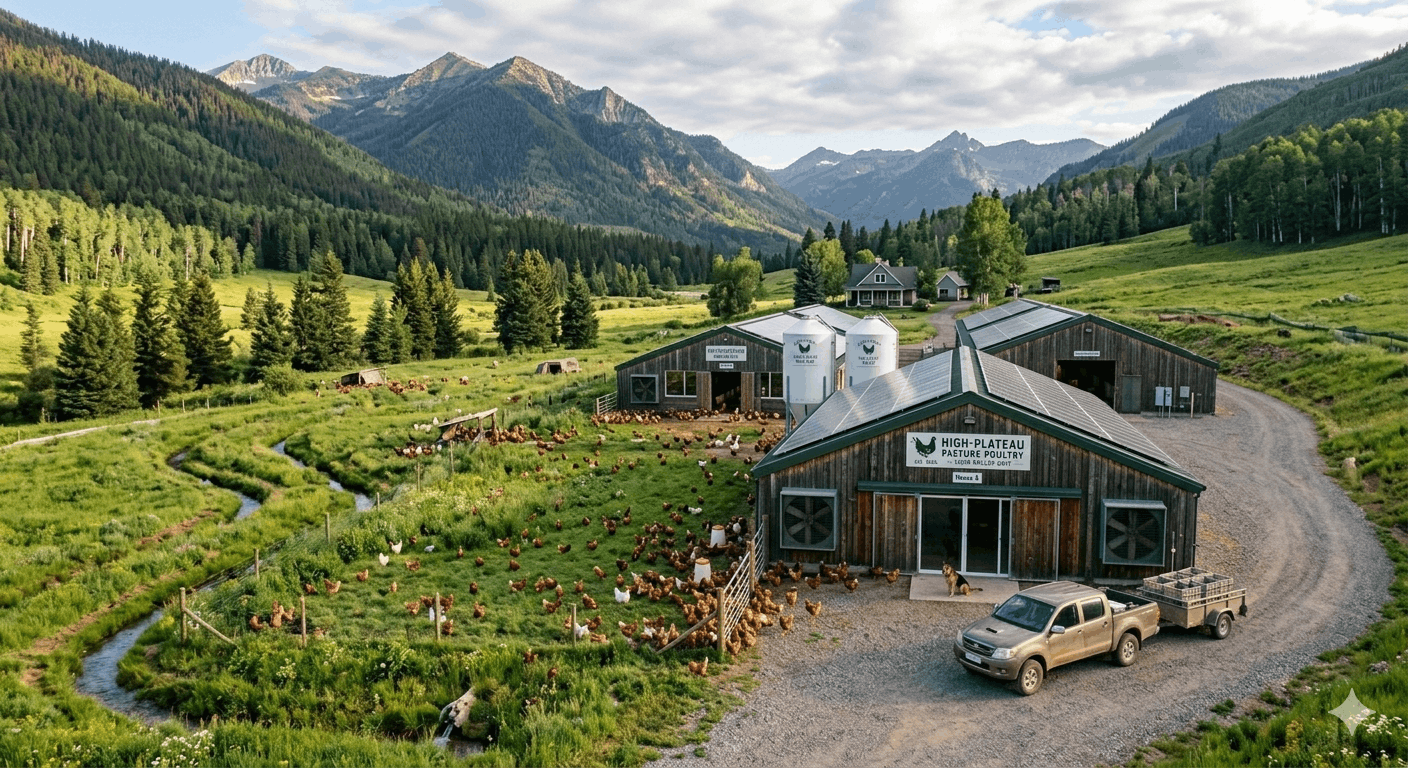
IntroductionThe modern commercial poultry shed is a complex engineering environment. To keep modern high-yield broiler and layer breeds performing at their genetic potential, their housing must maintain strict climate controls. A single ventilation failure or a sustained spike in humidity can quickly impact flock health, leading to reduced feed efficiency or sudden mortality losses. To mitigate these risks, the global poultry sector is turning to the Internet of Things (IoT). By embedding arrays of connected sensors, automated controllers, and smart actuators directly into barn infrastructure, producers are turning simple coops into responsive, self-regulating environments. This article details the technical components of modern smart housing, explaining how IoT sensors interact to protect bird welfare, save energy, and improve production efficiency. The Fundamental Anatomy of an IoT-Enabled Poultry ShedAn IoT-enabled poultry house functions as a closed-loop system. It relies on a network of sensors to monitor conditions, an central controller to make decisions, and mechanical systems to adjust the environment.┌────────────────────────────────────────────────────────┐
│ Smart Shed │
│ │
│ [Sensors: Temp, NH3, CO2] ──► [Central Smart Hub] │
│ │ │
│ ▼ │
│ [Automated Feedback] ◄─── [Actuators: Fans, Pumps] │
└────────────────────────────────────────────────────────┘
1. The Sensor Layer (Data Collection)Sensors are distributed throughout the shed at bird height to collect accurate environmental data where the flock lives, rather than high up on walls or near ceiling joists.2. The Controller Layer (Data Processing)The sensor data feeds into an on-site smart hub or PLC (Programmable Logic Controller). This device runs local logic loops, evaluating live inputs against preset target ranges tailored to the specific age and breed of the flock.3. The Actuator Layer (Physical Adjustment)When sensor data shows an environmental drift, the controller sends digital commands to physical equipment inside the barn—speeding up exhaust fans, opening wall vents, activating cooling pads, or turning on supplemental heaters.Critical Sensor Metrics and Environmental ImpactsMaintaining a stable environment requires tracking several key variables simultaneously, as these metrics constantly interact with one another. Temperature and Relative Humidity (The Thermal Index)Birds do not have sweat glands; they rely on panting to release excess body heat through evaporation. Because of this, ambient humidity directly shapes their ability to cool down.IoT systems use integrated temperature and humidity sensors to calculate the apparent thermal index within the shed. If the humidity climbs too high during hot weather, the system automatically triggers high-velocity tunnel ventilation to create a wind-chill effect, keeping the birds comfortable without over-relying on evaporative cooling pads that would add more moisture to the air. Carbon Dioxide ($CO_2$) and Ammonia ($NH_3$) ConcentrationsAs birds digest feed and produce manure, gas levels inside the shed change. High levels of $CO_2$ indicate insufficient fresh air intake, which can lead to lethargy and cardiovascular strain in fast-growing broilers. Ammonia ($NH_3$), a byproduct of breaking down uric acid in litter, is highly caustic.Sustained ammonia levels above 20 parts per million (ppm) can damage a bird’s respiratory tract, making them more vulnerable to viral infections. IoT gas sensors track these levels constantly. If ammonia spikes, the smart controller increases minimum ventilation rates to flush out the gas, protecting bird respiratory health before human workers even notice the odor. [Manure Accumulation / High Moisture] ──► [Ammonia (NH3) Spikes > 20ppm] ──► [Respiratory Damage]
│
(IoT Sensor Detects)
│
▼
[Controller Increases Ventilation Fans]
Static Pressure and Air VelocityFor ventilation systems to distribute fresh air evenly without creating cold drafts, the barn must maintain correct static pressure.Differential pressure sensors monitor the difference between internal and external air pressure. The central controller uses this data to adjust inlet openings, ensuring fresh air draws in cleanly, mixes with warm upper air, and circulates gently down to bird level without chilling the flock.Automation in Action: Resource Management and Precision SupplyBeyond climate control, IoT ecosystems are valuable tools for tracking and optimizing resource use across the farm. Smart Feed Silos and In-Line Load CellsTo prevent feed from running out or spoiling, smart silos use load cells or guided-wave radar sensors to track remaining feed volumes.This data links directly to farm management software, allowing the system to automatically flag when supplies are low and coordinate deliveries with the feed mill. Inside the barn, electronic sensors in the feed lines run the distribution augers automatically, ensuring feed trays stay filled without over-allocating and causing waste.Digital Water Line MonitoringChanges in water consumption are often the earliest indicator of health issues or equipment malfunctions. IoT systems use digital pulse water meters to track water flow down to the milliliter.If water use drops sharply, it can signal an early health issue in the flock. Conversely, a sudden spike in water flow can alert managers to a broken line or a leaking nipple drinker, allowing them to fix the issue before the litter gets soaked and creates an ammonia hazard.Energy Efficiency and the Green Footprint of Smart HousingTraditional ventilation systems often operate on simple on/off cycles, which creates temperature swings and wastes electricity. IoT-driven smart housing lowers energy demand through variable-frequency drives (VFDs) and smart modulation.Instead of running large exhaust fans at full power, the central controller adjusts fan speeds up or down based on real-time sensor feedback. This precise tuning can lower farm electricity consumption by up to 20% to 30%.Additionally, tracking resource data over time makes it easier to integrate renewable energy sources like solar arrays or biogas generators, helping commercial poultry operations lower their overall carbon footprint.ConclusionBuilding a smart poultry house is an investment in data infrastructure. By utilizing a comprehensive array of IoT sensors and automated systems, producers can remove much of the guesswork from barn management. This connected setup ensures that bird health, resource conservation, and environmental climate controls are constantly managed, protecting both flock welfare and bottom-line profitability.
The Role of Artificial Intelligence in Modern Broiler and Layer Production
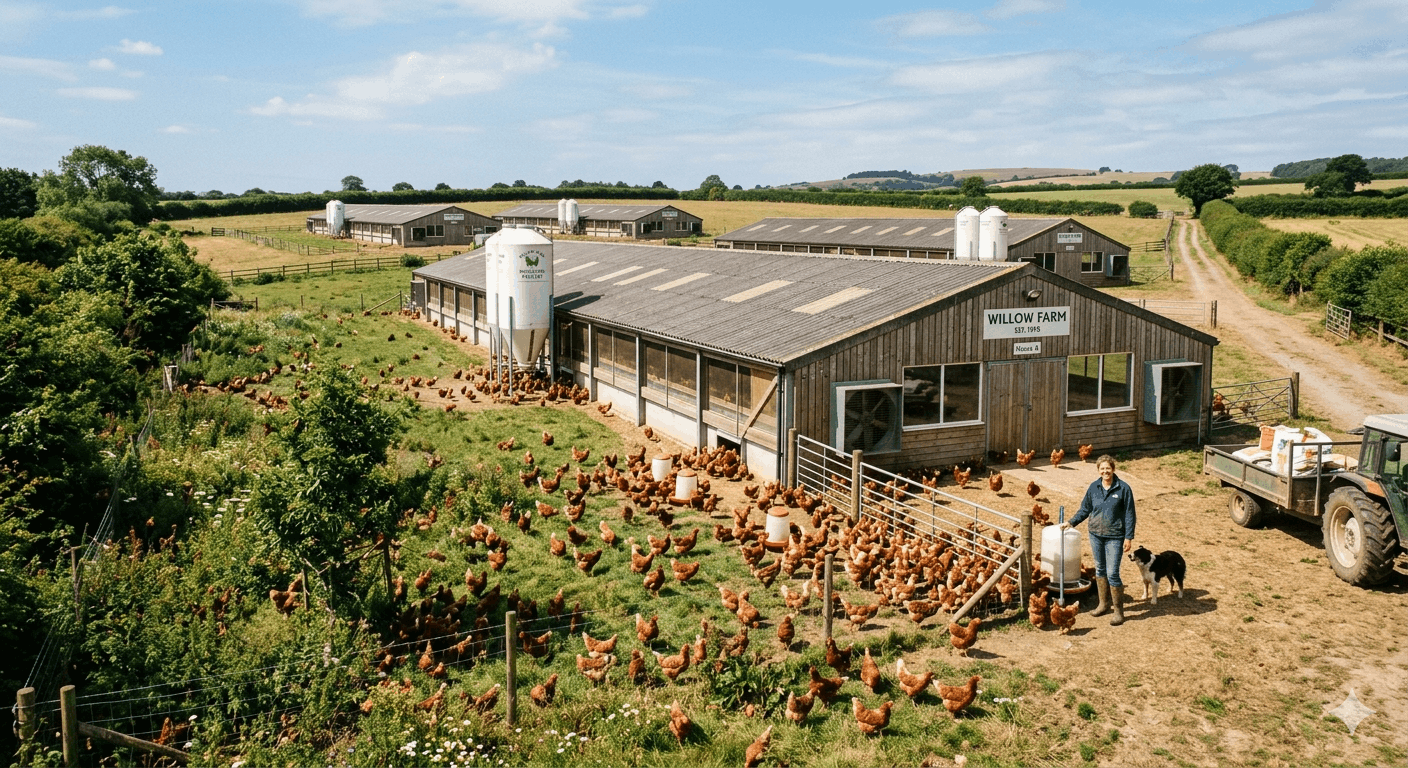
IntroductionThe phrase “Artificial Intelligence” often brings to mind autonomous vehicles, financial trading algorithms, or generative language tools. However, one of the most practical applications of AI is unfolding within the agricultural sector. Globally, poultry production operates within tight margins, where small changes in feed conversion, mortality rates, or flock uniformity make the difference between profit and loss. As commercial poultry operations scale up, human operators face cognitive bottlenecks. A single farm manager cannot monitor tens of thousands of birds simultaneously or track minor fluctuations across dozens of environmental data points in real time. AI addresses this challenge by functioning as an intelligent, continuous monitoring system. By processing vast datasets through machine learning (ML) and deep learning (DL) architectures, AI turns instinct into prediction, reshaping both broiler and layer production. The Architecture of Farm Intelligence: How AI Processes the BarnTo understand the impact of AI on poultry farming, we must first look at how data moves from the shed floor to the farm manager’s dashboard. AI does not operate in a vacuum; it requires a reliable stream of physical inputs. This process follows a clear three-step pathway:[Data Acquisition: Audio, Cameras, Sensors]
│
▼
[Edge Computing / Cloud Processing: Neural Networks & ML Models]
│
▼
[Automated Action / Alerts: Fan Speeds, Feed Delivery, Health Flags]
Data Acquisition: High-definition cameras, directional acoustic microphones, and environmental sensors collect continuous streams of raw data from the poultry environment. Processing and Pattern Recognition: This unstructured data is processed via edge-computing gateways or sent to cloud networks. Here, deep learning architectures—such as Convolutional Neural Networks (CNNs) for imagery and recurrent neural networks for acoustics—compare live data against baseline models derived from thousands of historical flock cycles.Automated Action or Decision Support: If anomalies are identified, the system either updates the barn’s automated control systems directly (e.g., tweaking ventilation rates) or issues a high-priority alert to the farm management team.Applications in Broiler Production: Growth, Uniformity, and YieldIn broiler production, efficiency relies on three core metrics: growth rate, feed conversion ratio (FCR), and flock uniformity. AI applications are designed to directly optimize these metrics. Computer Vision for Real-Time Weight EstimationTraditionally, tracking broiler weight required catching and manual weighing sample birds, a process that is labor-intensive and stressful for the flock. Modern AI-driven vision setups use overhead cameras to continuously analyze bird outlines from above.By applying advanced image segmentation algorithms, the system estimates individual and collective bird weights with high accuracy. This gives managers a live look at daily weight gain trends, allowing them to adjust feed blends instantly if growth falls behind targets. Early Disease Detection via Acoustic AnalyticsBirds communicate distress, heat stress, and respiratory infections through distinct changes in vocalization. AI systems trained on acoustic datasets use advanced audio analytics to screen for these shifts. By monitoring the frequency, duration, and intensity of sounds within the barn, the system can flag early signs of respiratory issues long before clinical symptoms are obvious to a human inspector walking the floor. This early window allows for targeted treatments, helping to lower overall mortality rates. Harvest Planning OptimizationProcessing facilities require uniform bird sizes to maximize automated deboning yields. AI software integrates environmental records, daily feed intakes, and real-time weight distributions to project the exact date a flock will achieve optimal uniformity. This allows integrators to coordinate catching schedules and processing timelines with high precision, minimizing transport stress and reducing waste at the plant.Applications in Layer Production: Egg Yield and Welfare ManagementLayer operations present a different set of management challenges. Because layer hens are kept for much longer production cycles than broilers, maintaining long-term health, structural soundness, and behavioral welfare is essential to sustaining steady egg yields.Automated Behavioral Assessment in Cage-Free SystemsAs the global market shifts toward cage-free housing, monitoring individual bird welfare becomes more complex. AI vision systems track complex flock behaviors across large open floor plans. Algorithms can identify healthy, natural behaviors like dust-bathing and perching, while flagging problematic patterns such as feather pecking, crowding, or piling near walls. Identifying these issues early allows managers to adjust lighting profiles or add enrichment tools before injuries spread through the flock. Machine Vision for Egg Grading and Structural IntegrityOnce eggs are laid, automated conveyor systems move them past high-speed camera arrays. AI vision systems inspect each egg in real time, detecting micro-cracks, shell deformities, blood spots, and surface dirt.By automatically sorting out sub-standard eggs before they reach secondary processing or packaging lines, these systems ensure consistent product quality and help prevent contamination risks down the line. Quantifiable Impacts: The Economic Return of Farm AIImplementing enterprise-grade AI systems requires a notable upfront investment in digital infrastructure. However, performance data from farms utilizing these systems highlights a clear return on investment (ROI): Performance MetricTraditional Production BaselineAI-Optimized Production PerformanceCore Technology LeverFeed Conversion Ratio (FCR)1.55 – 1.655% to 10% reduction in feed wastePrecision IoT feeding algorithmsFlock Mortality Rate4.0% – 6.0%10% to 15% reduction in mortalitiesEarly acoustic & visual anomaly alertsLabor Allocation EfficiencyManual checks per shed20% to 30% reduction in manual hoursAutomated dashboards & robotic patrolsOvercoming Implementation BarriersWhile the benefits of agricultural AI are clear, large-scale adoption faces several real-world hurdles:Rural Connectivity Constraints: AI systems rely on steady cloud access to process data and update models. In remote farming regions with spotty broadband, farms must rely on localized edge-computing hardware, which can increase initial deployment costs.Data Silos and System Lock-In: Many legacy equipment manufacturers use closed, proprietary data formats. For AI to reach its full potential, software platforms must use open APIs that allow data to flow freely between different brands of feeders, scales, and climate controllers.ConclusionArtificial Intelligence is moving poultry management from a reactive practice to a predictive science. By turning environmental data, bird sounds, and video feeds into clear, actionable insights, AI helps producers manage their operations with unprecedented precision. As these technologies become more accessible and affordable, implementing AI solutions will become a vital strategy for staying competitive in the global animal protein market.
The Global Directory of Poultry Tech Companies – Mapping the Digital Transformation of Agriculture
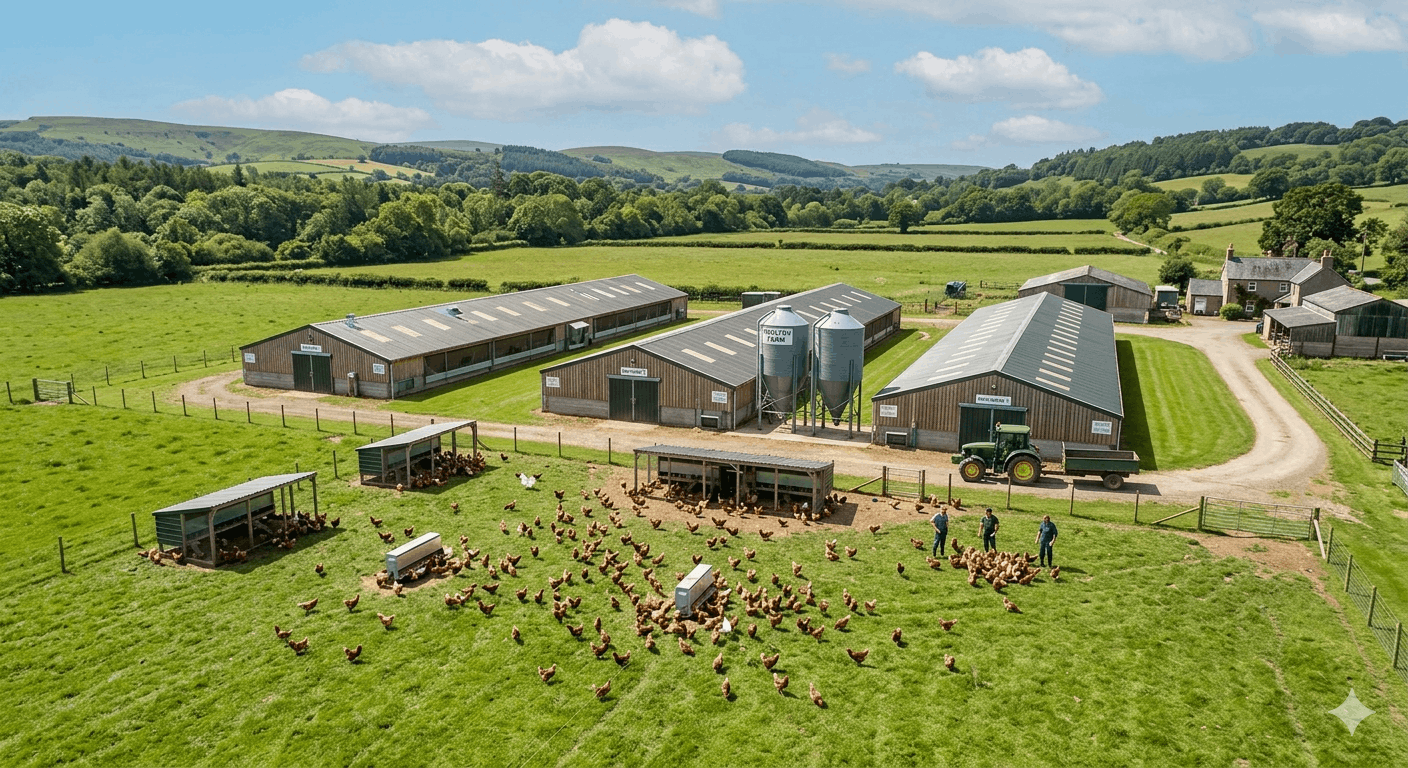
Introduction The global agricultural sector is experiencing a monumental shift. What was once an industry driven entirely by manual labor and ancestral intuition is now anchored in digital infrastructure. At the center of this evolution is the global poultry sector. Producing over 145 million tons of broiler meat and roughly 1.6 trillion eggs annually worldwide, […]
Biosecurity on the Farm: Practical Protocols for Mitigating Avian Influenza and Agricultural Threats
Introduction
For modern agricultural producers, the frontline of national defense isn’t a digital firewall or a military outpost—it is the farm gate. Livestock diseases like Highly Pathogenic Avian Influenza (HPAI), Foot-and-Mouth Disease (FMD), and African Swine Fever (ASF) present an ongoing, devastating threat to global farming economies. An outbreak can spread through a region with terrifying speed, forcing producers to cull millions of healthy animals, disrupting international trade agreements, and destroying livelihoods overnight. Implementing rigorous, daily farm biosecurity protocols is the single most effective shield available to protect livestock health and secure our global food chain.
The Architecture of On-Farm Transmission
To effectively stop a virus or bacterial pathogen from infecting a herd or flock, producers must first understand how these microscopic invaders navigate a farming landscape. Pathogens do not magically materialize inside a barn; they are physically transported there through distinct, identifiable vectors. The primary culprits include wild migratory animals, contaminated vehicles, shared equipment, and the footwear and clothing of farm personnel or external visitors.
Avian influenza, for example, is primarily carried by wild waterfowl like ducks and geese, which shed massive quantities of the virus in their droppings without necessarily showing signs of illness. If a farmer steps in wild bird droppings near a local pond and then walks directly into a commercial poultry shed without changing footwear, they have effectively served as the virus’s chauffeur. Farm biosecurity is about breaking these transmission chains completely through relentless, systematic sanitation and strict physical boundaries.
Establishing a Perimeter: Line of Separation and Clean/Dirty Zones
The core concept of any professional agricultural biosecurity layout is the structural establishment of a clear “Line of Separation” (LOS). Think of the LOS as an invisible, sanitary wall separating the clean internal environment where livestock reside from the dirty, unmonitored external world. To manage this boundary effectively, farms should be organized into distinct geographic zones.
The area outside the farm perimeter is designated as the dirty zone, where delivery trucks, feed vehicles, and visitors arrive. The area inside the animal housing facilities is the pristine clean zone. Crossing the Line of Separation must require absolute adherence to a strict sanitary transition protocol. This includes a mandatory “Danish entry system,” where individuals must step out of outdoor shoes, wash or sanitize their hands thoroughly, step over a physical bench barrier, and don farm-specific boots and coveralls that never leave the clean zone. This simple, low-tech physical barrier drastically reduces mechanical transmission risks.
The Essential Veterinary Biosecurity Checklist
To ensure that daily farming operations remain completely insulated from biological hazards, producers should implement a non-negotiable checklist across all facilities:
Dedicated Footwear Stations: Deploying clearly marked, color-coded boots exclusively for use within specific barns to prevent cross-contamination between different animal groups.
Vehicle Disinfection Bays: Requiring all incoming feed trucks, maintenance vehicles, and animal transport trailers to pass through an active undercarriage wash spray and tire-disinfection bath before entering the farm property.
Wild Animal Exclusion: Installing heavy-duty structural netting, sealing all building gaps, and maintaining clean, vegetation-free buffer zones around barns to prevent wild birds, rodents, and pests from entering animal housing.
Water Sanitation Grids: Regularly testing and treating livestock drinking water with approved sanitizing agents to neutralize any viral loads introduced by environmental runoff.
Quarantine Isolation Units: Maintaining a completely separate isolation barn where all newly acquired animals or returning livestock must be quarantined and monitored for at least 21 days before joining the main herd.
The Science of Disinfection: Cleaning Before Sanitizing
A frequent error made on busy farms is the misapplication of chemical disinfectants. Many producers assume that simply spraying a disinfectant onto a mud-covered boot or a manure-caked tractor tire is sufficient to kill pathogens. In reality, organic matter—such as mud, feces, bedding material, and spilled feed—neutralizes the active chemical ingredients in most commercial disinfectants, creating a protective shield for viruses and bacteria.
True sanitation requires a meticulous two-step workflow: cleaning followed by disinfecting. First, all physical debris and organic matter must be thoroughly scraped, brushed, and washed away using water and a heavy-duty agricultural detergent. Once the surface is completely clean and rinsed, the appropriate chemical disinfectant can be applied. The disinfectant must be allowed to sit and remain wet for its specific, manufacturer-recommended contact time (often 10 to 15 minutes) to ensure complete biological inactivation. Skipping the initial cleaning step renders the entire disinfection process useless.
Conclusion: Cultivating a Mindset of Vigilance
Farm biosecurity is not a collection of static, theoretical rules meant to be filed away in a drawer; it is a dynamic, living practice that requires unyielding daily discipline. The strongest structural netting and the most expensive chemical disinfectants are completely worthless if an employee forgets to change their boots just once. By fostering a culture of biosecurity vigilance among farm staff, educating visitors, and investing in clean/dirty zone infrastructure, modern producers can build a resilient bio-shield that keeps their livestock healthy, their businesses profitable, and the global food supply chain entirely secure.